How Modern Landscape Design Uses Structure And Greenery Together
2 min read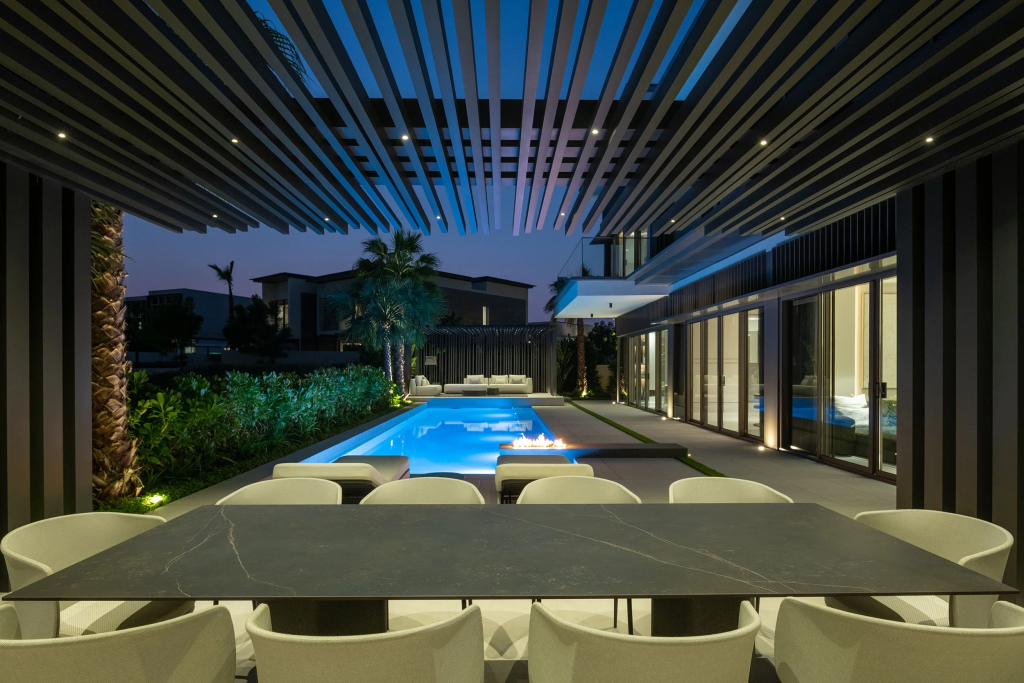
A striking outdoor space is rarely about greenery alone. The combination of plants, pathways, walls, levels, seating areas, and other structural elements can give a landscape greater balance, definition, and personality. When these features are planned to complement one another, gardens can feel more organized while still retaining a natural sense of beauty.
Here’s how modern landscape design brings structure and greenery together to create inviting outdoor spaces.
Strong lines define the space
Modern outdoor design uses straight edges, geometric forms, and clear zones. Stone patios, raised planters, retaining walls, and sleek steps give the setting a crisp appearance. These features guide movement and separate areas for dining, relaxing, planting, and entertaining. Simple forms also make larger spaces easier to read. A long planter may frame a seating area, while a low wall may mark the edge of a lawn.
Greenery softens hard surfaces
Plants add softness beside concrete, stone, metal, and timber. Grasses, shrubs, trees, and flowering plants introduce varied textures and natural color. Their organic forms balance the sharper edges found in modern construction. Designers may place tall plants beside walls, low shrubs around seating areas, or trees near open patios. This placement gives each zone a fresh character while keeping the overall setting neat.
Layered planting adds depth
A strong planting scheme uses several heights. Ground covers sit close to the soil, medium plants fill the middle level, and taller shrubs or trees add height. This layered approach adds visual depth to the outdoor setting. Different leaf sizes and textures also add interest. Fine grasses may sit beside broad-leaf plants, while compact shrubs provide a solid green mass.
Structure supports outdoor living
Modern design treats outdoor areas as useful extensions of the home. Pergolas provide shade, built-in benches offer seating, and paved areas support dining or gatherings. Planters can define edges around these features without blocking access. Lighting also supports the structure. Small fixtures highlight steps, walls, trees, and planting beds after sunset. The result keeps key areas visible while giving greenery a gentle evening presence.
Balance keeps the design refined
Too much hard material may make an outdoor setting appear cold. Excessive planting may make the layout look untidy. A balanced mix gives both elements enough space to stand out. Modern design works best when every feature has a clear purpose. Clean structures provide order, while greenery adds softness, texture, and natural energy. Together, they produce an outdoor space that feels polished, practical, and inviting.