How Branding and Storytelling Shape Successful IDEX Exhibition Stands
2 min read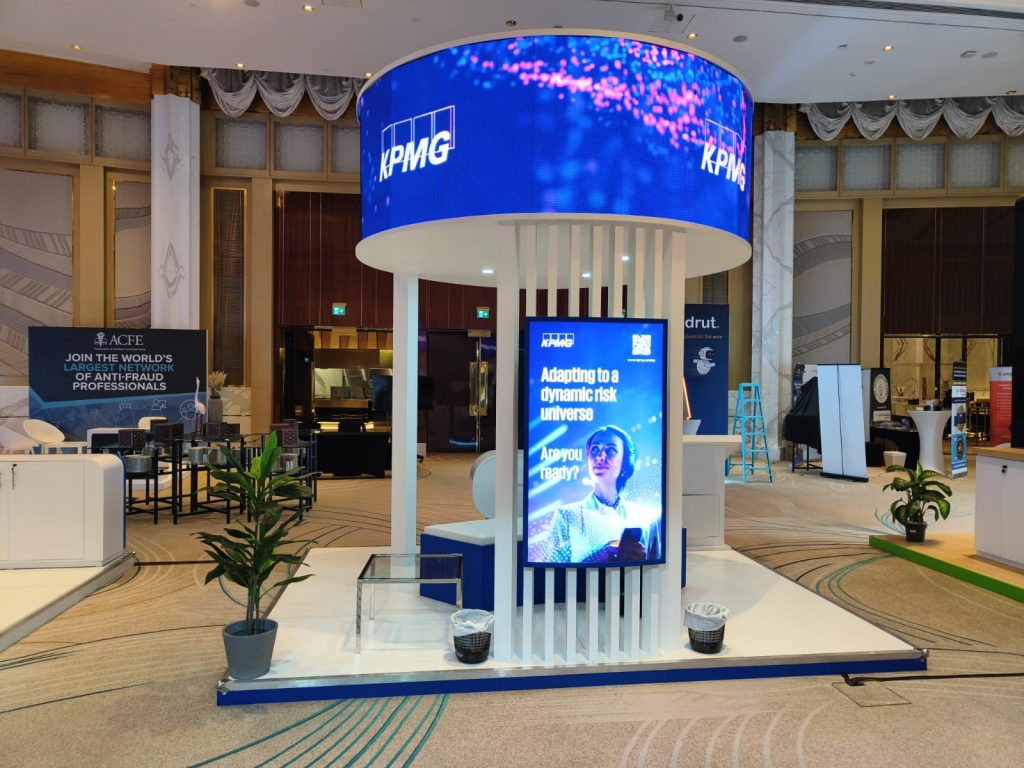
As the exhibition industry continues to grow and evolve, it has become increasingly important for companies to differentiate themselves and make a lasting impression on attendees. One of the most effective ways to achieve this is through branding and storytelling in their exhibition stands.
The most successful exhibits use integrated branding and deliberate storytelling to create a memorable and persuasive visitor experience. Engaging a skilled IDEX stand builder with expertise in these concepts is crucial for translating abstract ideas into physical reality.
Branding Creates Immediate Recognition:
Consistent branding acts as a visual handshake. It allows a defense contractor or security company to establish immediate recognition in a crowded hall. This extends past placing a logo on a banner. It involves a cohesive application of corporate colors, typography, and visual language across every element of the stand from the main structure and digital screens to printed materials and staff uniforms.
This visual consistency builds professional trust and reinforces market position before a single conversation starts. Attendees should feel they have entered a dedicated, tangible extension of the company, not just a temporary booth.
Storytelling Builds Emotional Connection:
While branding identifies, storytelling engages. In an industry defined by advanced technology and strategic solutions, storytelling gives these offerings context and purpose. A stand can narrate a company’s story through its design. It must guide visitors through a clear flow: presenting a current security challenge, demonstrating the company’s innovative response, and showcasing the resulting operational advantage.
Interactive displays, case study videos, and well-composed graphics can illustrate capability without relying on technical jargon alone. This approach frames the company as a problem-solver, connecting its products to real-world outcomes and fostering a deeper, more memorable dialogue with potential partners.
Integration Drives Cohesive Messaging:
The true power emerges when branding and storytelling operate together. The visual brand identity should support and amplify the narrative. A company specializing in maritime security, for example, might incorporate design elements and colors that suggest the sea, while its story focuses on safeguarding global trade routes.
Every tactile surface, every screen, and every piece of collateral should feel like a chapter in the same story, told under the umbrella of a strong, recognizable brand. This cohesion prevents mixed messages and focuses visitor attention on the company’s unique value proposition.
.